
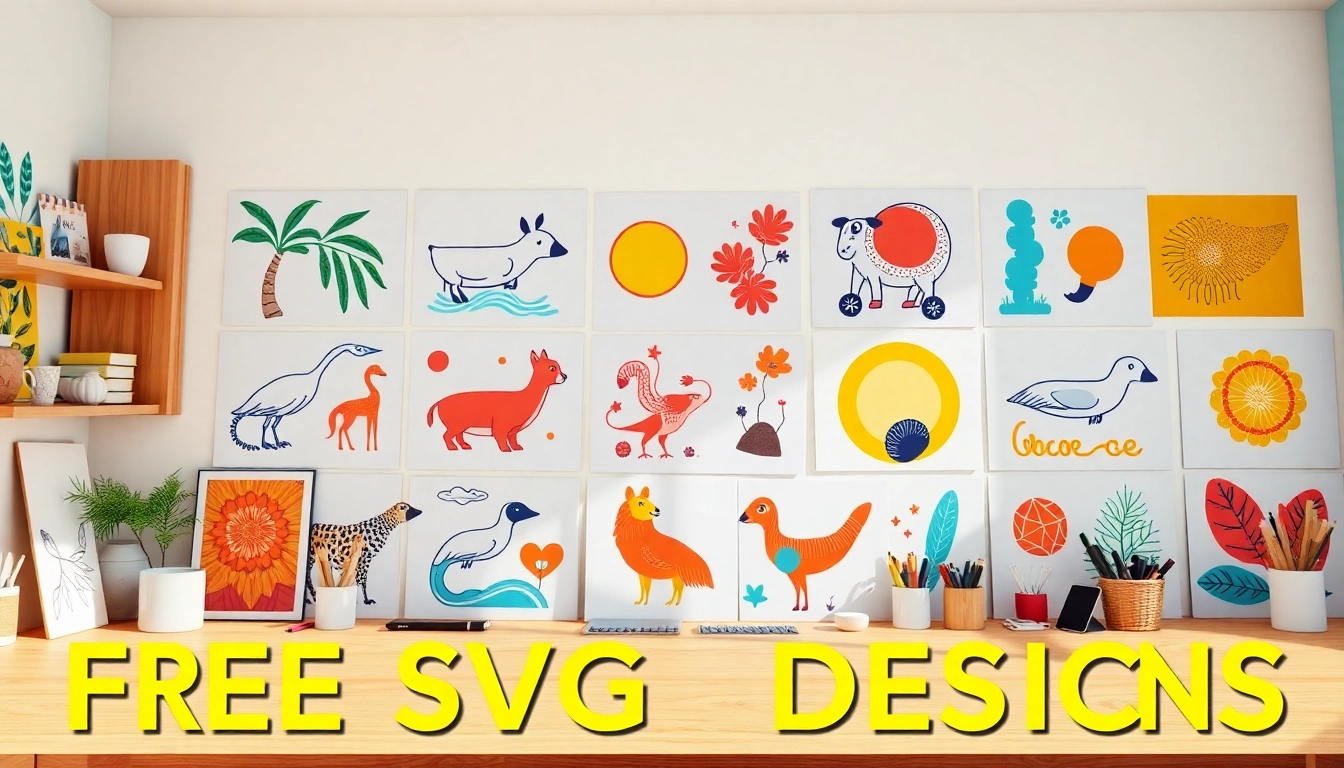
Introduction to Free SVG Designs
In today’s digital landscapes, graphics play a pivotal role in capturing attention and communicating ideas effectively. One format that has emerged as a favorite among designers, artists, and hobbyists alike is the Scalable Vector Graphics (SVG) format. This format not only offers exceptional quality but also versatility for a multitude of applications. In this comprehensive guide, we will delve into the world of free svg designs, exploring their importance, common uses, and how to find and customize them effectively.
What Are Free SVG Designs?
Free SVG designs refer to Scalable Vector Graphics files that are available for download at no cost. Unlike raster images, SVGs are vector-based and thus can be resized without losing quality. This makes them ideal for various design applications, including web graphics, logos, icons, and more. Many creators share their SVG files for free, allowing others to use them as part of their projects, whether personal or commercial. The appeal of free SVG designs lies in their flexibility and accessibility—giving designers the freedom to adapt these graphics to their specific needs.
Importance of SVG in Design
The SVG format is crucial in modern graphic design for several reasons:
- Scalability: SVGs can be resized to any dimension without pixelation, making them ideal for responsive web design.
- Editability: Being text-based, SVG files can be edited directly in text editors, allowing for quick customizations in design elements.
- Performance: SVG files tend to have smaller file sizes compared to bitmap images, leading to faster loading times on websites.
- Interactivity: SVGs support CSS and JavaScript, enabling interactive and animated graphics that enhance user engagement.
Common Uses for Free SVG Designs
Free SVG designs have a wide range of applications across various fields including:
- Web Design: SVG logos, icons, and illustrations are widely used for clean and modern website designs.
- Print Media: Flyers, posters, and brochures benefit from high-quality SVG graphics that maintain their detail in print formats.
- Craft Projects: SVG files are popular in the crafting community for use with cutting machines, such as Cricut and Silhouette, which can turn digital designs into physical creations.
- Branding: Businesses utilize SVGs for logos and branding materials due to their versatility and adaptability across sizes.
Finding Quality Free SVG Designs
Best Websites for Free SVG Designs
Locating quality free SVG designs can be a daunting task given the plethora of resources available. Here are some top websites known for their extensive collections of high-quality SVGs:
- SVGRepo: Offers a large selection of SVG files, categorized for ease of searching.
- Freepik: A popular resource for free and premium graphics where users can find a variety of SVG formats.
- Vecteezy: Features a wide range of free SVGs along with premium options, allowing for commercial use under certain licenses.
- OpenClipart: A community-driven platform providing a vast library of public domain SVG graphics.
Evaluating Design Quality
Quality is paramount when selecting free SVG designs. Here’s how to evaluate the designs effectively:
- Resolution: Ensure that the SVG is clear and detailed, even when scaled to larger sizes.
- File Structure: Well-structured SVG files are easy to edit and manipulate, which is essential for customization.
- Style Consistency: Look for designs that match your project’s aesthetic to maintain visual coherence.
- Community Feedback: Check user ratings and reviews to gauge the reliability and quality of the design.
Understanding Licensing and Permissions
When utilizing free SVG designs, understanding licensing is critical. Many SVGs are shared under specific licenses that dictate how they can be used:
- Public Domain: Can be used freely without restrictions.
- Creative Commons: Some may require attribution or have restrictions on commercial use.
- Personal Use Only: Limited to non-commercial projects; check the specifics before utilizing for client work.
Always read the licensing information before downloading to ensure compliance with the designer’s terms.
Tips for Customizing Free SVG Designs
Basic Editing Techniques
Customizing your free SVG designs can enhance their uniqueness and applicability. Here are some basic editing techniques worth exploring:
- Changing Colors: Most vector editing software allows for easy color modifications, enabling you to align designs with your project’s color scheme.
- Resizing Elements: Scale elements on the canvas to achieve the desired layout while maintaining quality.
- Combining SVGs: Use graphic software to merge multiple SVG designs into a single cohesive piece.
Advanced Customization Options
For those looking to take it a step further, there are advanced techniques you can use:
- Layering: Create visually appealing effects by overlapping multiple SVG layers with different opacities.
- Adding Text: Use typography to personalize designs and convey specific messages within your graphics.
- Effects and Animation: Implement CSS animations to bring your designs to life, enhancing user interaction on websites.
Tools for Editing SVG Files
Editing SVG files can be performed with various tools, both online and offline. Some highly recommended tools include:
- Inkscape: A free, open-source vector graphics editor that offers a wide range of features for SVG editing.
- Adobe Illustrator: A professional-grade design tool that provides comprehensive SVG support and powerful editing capabilities.
- Boxy SVG: A browser-based SVG editor that allows for easy modifications without requiring downloads.
Practical Applications of Free SVG Designs
Using SVGs in Websites and Apps
Integrating SVGs into websites and mobile applications is an effective way to enhance visual appeal and user experience. SVGs can be utilized in various contexts:
- Responsive Design: SVG graphics adjust seamlessly to different screen sizes, contributing to a better user experience across devices.
- Load Speed: They have smaller file sizes compared to traditional image formats, which helps in optimizing loading times.
Incorporating SVGs in Print Materials
While primarily associated with digital design, SVGs hold their ground in print materials. High-resolution output from SVG ensures that designs retain clarity and detail. Applications include:
- Business Cards: SVG designs can create sharp and eye-catching business card graphics.
- Event Flyers and Posters: High-quality visuals enhance the impact of promotional materials.
Creative Projects with SVGs: Case Studies
To showcase the versatility of free SVG designs, consider the following case studies:
- Wedding Invitations: By customizing SVG patterns, couples can create unique wedding invitations that reflect their personal style.
- School Projects: Students can utilize SVG designs for various projects, producing visually stunning presentations that engage their audience.
FAQs about Free SVG Designs
What are the advantages of SVG format?
The SVG format offers scalability, smaller file sizes, editability, and support for animation and interactivity, making it ideal for both web and print applications.
How can I edit free SVG designs?
You can edit SVG designs using graphic design software like Inkscape or Adobe Illustrator, which allow you to modify colors, shapes, and add text or visual effects.
Are there any legal restrictions for using free SVG designs?
Yes, restrictions may apply based on the licensing of the SVG. It’s crucial to review terms of use before using designs for commercial or personal projects.
Can I use free SVG designs for commercial purposes?
Some free SVG designs are available for commercial use, but verifying license terms is essential, as many restrict usage to personal projects only.
Where to find support for SVG design tools?
Most graphic editing tools have extensive online documentation. Additionally, forums and community groups can provide support and share tips for working with SVG files.