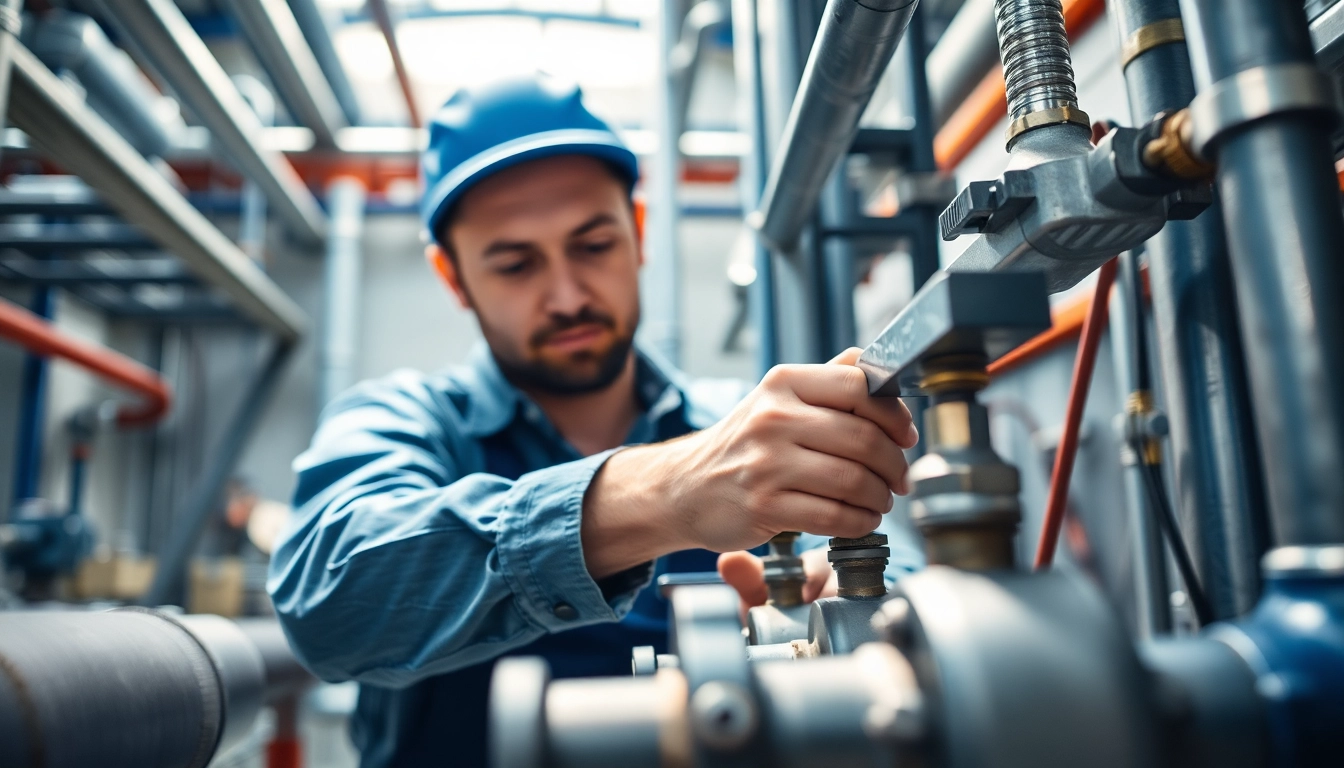

Understanding the Plumbing Apprenticeship
A plumbing apprenticeship is a crucial stepping stone for anyone interested in pursuing a career in plumbing. It combines classroom instruction with hands-on training, allowing aspiring plumbers to develop the essential skills needed to succeed in the field. Such programs are not only instrumental in acquiring technical proficiency but also serve to instill safety practices and industry standards. Many people start their journey in the trades through a plumbing apprenticeship, which provides them a rich knowledge base and practical exposure.
What is a Plumbing Apprenticeship?
A plumbing apprenticeship is a structured training program that encompasses both on-the-job training and classroom education. Typically, apprentices work under the supervision of experienced plumbers to learn the fundamentals of plumbing, including installing and repairing pipes, fixtures, and appliances for water, gas, and sewage systems. The duration of these apprenticeships often ranges from three to five years, depending on state regulations and training requirements.
The Importance of Plumbing Apprenticeships
Plumbing apprenticeships are vital for several reasons. Firstly, they bridge the gap between theoretical knowledge and practical application. This comprehensive training ensures that individuals are well-equipped to face real-world challenges in their plumbing career. Secondly, they encourage adherence to safety regulations, which is paramount in the plumbing industry due to the potential hazards involved. Finally, these apprenticeships can lead to state licensure, which is necessary for practicing legally in many regions.
How to Choose the Right Program
When selecting a plumbing apprenticeship program, candidates should consider several factors. Look for programs that are endorsed by local trade unions, as these often provide rigorous training and resources. Assess the balance between classroom instruction and hands-on experience offered. Additionally, inquire about the program’s partnerships with local plumbing companies to facilitate job placements after graduation.
Skills Acquired During a Plumbing Apprenticeship
Core Plumbing Skills and Techniques
Throughout a plumbing apprenticeship, apprentices will gain a variety of core skills. They will learn how to read blueprints, understand plumbing codes, and install piping systems. Mastering these techniques ensures that they are proficient in tasks such as repairing leaks, installing fixtures, and performing routine maintenance. The hands-on experience gained during an apprenticeship is invaluable, as it enables apprentices to troubleshoot and address issues in the field effectively.
Soft Skills for Success in Plumbing
In addition to technical skills, plumbing apprentices must develop essential soft skills. Strong communication skills are crucial for effectively interacting with clients and colleagues, while problem-solving abilities enable them to navigate challenges on job sites. Time management is equally important, as plumbers often juggle multiple tasks and projects concurrently. Building rapport with clients can lead to repeat business and referrals, making interpersonal skills a valuable asset.
Importance of Safety Training
Safety training is a fundamental component of plumbing apprenticeships. Apprentices are taught the proper protocols for handling hazardous materials, using tools safely, and ensuring job site safety. By adhering to safety regulations, apprentices minimize risks for themselves and others, fostering a culture of safety within the industry. This training is not only beneficial during the apprenticeship but also remains integral throughout their careers.
Benefits of Completing a Plumbing Apprenticeship
Job Opportunities and Career Growth
Completing a plumbing apprenticeship opens up a wide range of job opportunities. Many apprentices find full-time employment with plumbing companies, while others may choose to become self-employed. The demand for skilled plumbers remains consistently high, ensuring ample job security. Furthermore, experienced plumbers can advance to supervisory positions or specialize in areas such as commercial plumbing, which can lead to enhanced career growth and increased responsibilities.
Financial Incentives and Earning Potential
Financially, plumbing apprenticeships can be advantageous. While apprentices typically start at a lower wage, their earning potential increases significantly as they gain experience and complete their training. Once licensed, plumbers can earn a substantial salary, often exceeding the median wage for many other professions. Additionally, plumbing jobs often provide benefits such as health insurance and retirement plans, enhancing overall financial stability.
Value of Real-World Experience
One of the most significant advantages of a plumbing apprenticeship is the real-world experience gained. Working alongside seasoned professionals allows apprentices to learn not only technical skills but also the nuances of customer service and business operations. This practical knowledge enhances their employability and prepares them for various situations they may encounter in their plumbing careers.
Challenges Faced in Plumbing Apprenticeships
Common Hurdles and How to Overcome Them
While plumbing apprenticeships offer numerous benefits, they also present challenges. One common hurdle is the physical demands of the job, which can be taxing, particularly for those new to the field. Developing a routine and maintaining physical fitness can help apprentices cope with these demands. Additionally, financial challenges may arise, particularly for those balancing work and school. Seeking scholarships or financial aid can ease these burdens.
Time Management as an Apprentice
Time management is another significant challenge for plumbing apprentices. Balancing work, classes, and personal time can be overwhelming. Students should create a structured schedule that prioritizes their commitments and allows for flexibility. Utilizing techniques such as setting deadlines for assignments and breaking down larger projects into manageable tasks can enhance productivity and reduce stress.
Maintaining Motivation and Focus
Lastly, maintaining motivation throughout an apprenticeship can sometimes be difficult, especially during challenging times. Setting short-term goals and celebrating small achievements can provide encouragement. Engaging with mentors and peers for support can also foster motivation. Regular reflection on progress and the benefits of completing the apprenticeship can keep apprentices focused on their long-term objectives.
Future Trends and Opportunities in Plumbing
Emerging Technologies in Plumbing
The plumbing industry is evolving, with emerging technologies playing a pivotal role in shaping its future. Smart plumbing systems that integrate IoT (Internet of Things) technology allow for improved monitoring and management of water usage. Plumbers familiar with these innovative systems will be better positioned to meet client demands and remain competitive within the field. Continuous education and adaptation to these advancements will be essential for success.
Green Plumbing Practices
As environmental concerns grow, so does the importance of green plumbing practices. Techniques such as rainwater harvesting, greywater reuse, and water-efficient fixtures are becoming increasingly popular. Plumbers who are knowledgeable in sustainable practices can cater to eco-conscious consumers and commercial clients looking to reduce their environmental impact. This trend presents a profitable niche for forward-thinking plumbing professionals.
Expanding Role of Plumbers in Energy Efficiency
Plumbers are also taking on expanded roles in promoting energy efficiency in buildings. From recommending energy-saving appliances to implementing heat recovery systems, the modern plumber’s role has evolved well beyond traditional plumbing. This shift presents opportunities for plumbers to diversify their skills and services, making their expertise even more valuable in an ever-changing job market.
Frequently Asked Questions
What qualifications do I need for a plumbing apprenticeship?
Most plumbing apprenticeships require a high school diploma or GED, along with a valid driver’s license. Additionally, some programs may have prerequisites for math and science courses.
How long does a plumbing apprenticeship last?
Plumbing apprenticeships typically last three to five years, depending on the program and the regulations of the state where you are training.
Can I work while in a plumbing apprenticeship?
Yes, many apprentices work during their training, often earning wages that increase as they complete more education and gain more experience.
What are the career prospects after a plumbing apprenticeship?
Job prospects are generally positive, with high demand for skilled plumbers. Graduates can work in residential, commercial, or industrial settings and may also pursue specialized areas.
Is plumbing a good career choice?
Yes, plumbing is a rewarding and stable career choice with strong earning potential and numerous job opportunities, especially as skilled workers are in high demand.