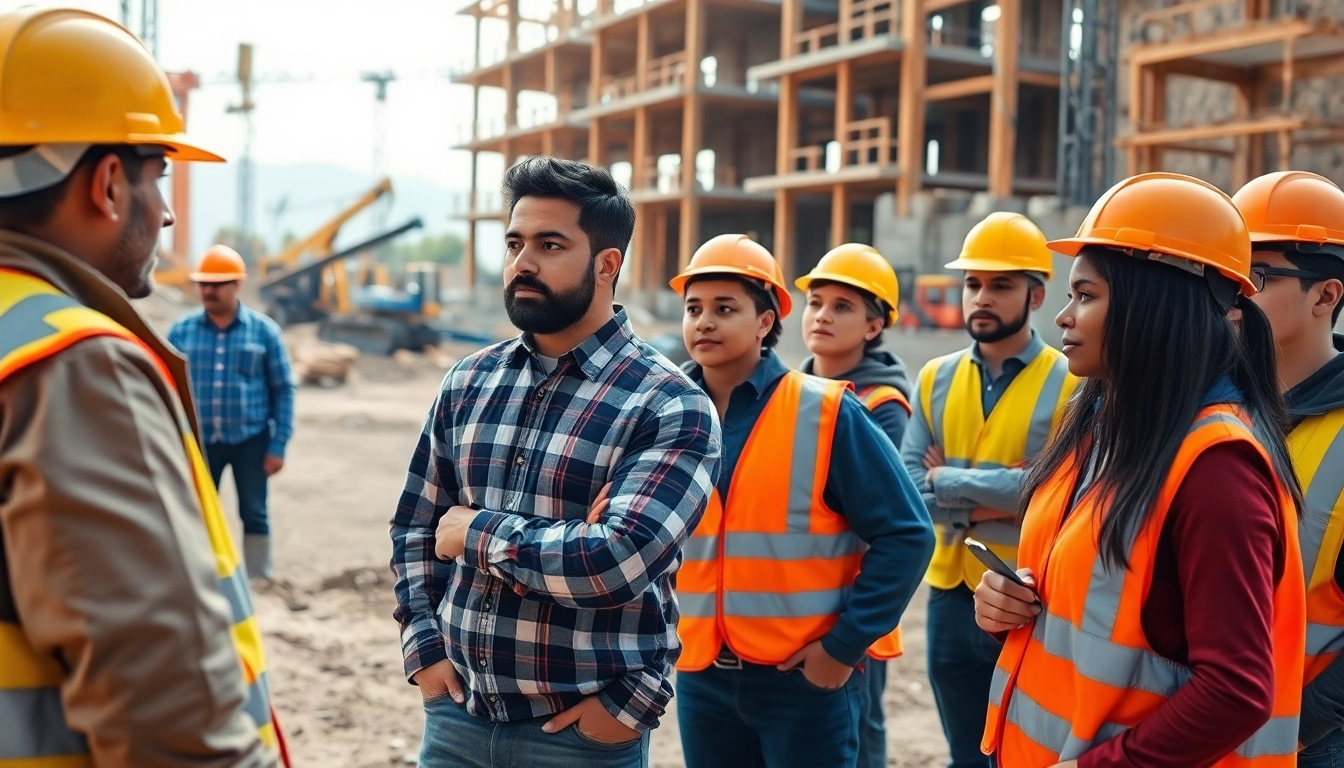

Understanding Construction Site Safety Training
Construction site safety training is a critical component of ensuring the well-being of employees working within this high-risk environment. A well-structured training program minimizes accidents, injuries, and fatalities, safeguarding both workers and employers. Understanding the importance of construction site safety training and implementing effective practices is crucial for any construction organization aiming for operational excellence.
Importance of Construction Site Safety Training
The significance of safety training on construction sites cannot be overstated. According to statistics, a significant number of workplace accidents occur in the construction industry. These incidents can lead to severe injuries or even fatalities, resulting in not only personal loss but also considerable financial impacts on organizations. Effective safety training empowers employees with the knowledge and skills necessary to recognize hazards, handle emergencies, and follow safety protocols. It establishes a foundational culture of safety that prioritizes employee health and wellness.
Key Components of Effective Training Programs
Effective construction site safety training programs should incorporate several key components. First, they must begin with a comprehensive needs assessment to evaluate existing knowledge gaps. Training should be tailored to the specific risks and conditions present on the site. Interactive training sessions that include real-life scenarios, hands-on demonstrations, and discussions of case studies encourage engagement and retention. Moreover, training sessions should be supplemented with ongoing education to reinforce learned skills and adapt to new regulations or emerging risks.
Legal Requirements and Standards for Safety Training
Compliance with legal requirements is a fundamental aspect of construction site safety training. Various regulations, such as those from the Occupational Safety and Health Administration (OSHA), require specific training protocols. Employers must be aware of and adhere to these guidelines to avoid legal repercussions and foster a safe working environment. Regular audits and refresher courses help ensure that safety measures align with current laws and standards, ultimately protecting both workers and the organization.
Identifying Hazards on the Construction Site
Identifying potential hazards on construction sites is one of the most proactive steps a company can take to minimize risks. Regular hazard assessments allow teams to uncover and address vulnerabilities before they result in accidents.
Common Hazards in Construction Environments
Common hazards include falls, electrical incidents, exposure to harmful substances, and equipment-related injuries. Each of these risks necessitates specific training and preventive measures. For instance, fall protection programs are essential in environments where workers are exposed to heights. Similarly, understanding the proper usage of Personal Protective Equipment (PPE) can significantly reduce the likelihood of injuries related to hazardous materials or machinery.
How to Assess Risks Effectively
To assess risks effectively, a systematic approach is required. This process should involve conducting regular site inspections, engaging employees in safety discussions, and utilizing formal risk assessment tools. Teams can employ checklists, safety audits, and incident reports to identify trends and areas needing improvement. By engaging workers in these assessments, organizations foster a culture of safety and inclusivity, resulting in more effective risk management.
Implementing Preventive Measures
Once hazards have been identified and assessed, implementing preventive measures is crucial. This may involve engineering controls such as guardrails and safety nets, administrative controls like safety policies and procedures, or providing extensive training programs. Additionally, instilling best practices such as regular maintenance of equipment can further minimize risks and enhance overall safety on-site. Proactively addressing potential dangers creates an environment where safety is prioritized and reinforced.
Best Practices for Delivering Training
Delivering effective training is vital to ensuring that employees retain critical safety information and behaviors. Utilizing best practices in training delivery can significantly enhance engagement and learning outcomes.
Engaging Training Methods and Techniques
One of the most effective ways to engage employees in safety training is through interactive and participatory methods. Techniques such as group discussions, role-playing scenarios, and simulations help participants connect with the material on a personal level. Utilizing visual aids, hands-on training sessions, and case studies related to real-world incidents can also foster a deeper understanding and retention of safety protocols and procedures.
Using Technology in Safety Training
In today’s digital age, technology plays a crucial role in enhancing safety training. The use of e-learning modules, virtual reality (VR) simulations, and mobile applications allows for more flexible, accessible training options. These technologies can transform traditional methods by providing immersive, realistic experiences that drive home the importance of safety. Moreover, data analytics tools enable organizations to track training progress and identify areas for further development, thereby bolstering training effectiveness.
Evaluating Training Effectiveness
Evaluating the effectiveness of safety training programs is essential for continuous improvement. Organizations can implement evaluation techniques such as pre-and post-training assessments, feedback surveys, and on-site observation of safety practices. Measuring changes in safety-related behaviors and incident rates can help gauge the impact of the training. It is essential to review and adapt training initiatives based on this feedback to ensure they remain relevant and effective.
Creating a Culture of Safety
A strong safety culture within a construction organization can significantly influence employee behavior and overall site safety. Building such a culture requires a commitment from leadership and active participation from all team members.
Encouraging Employee Involvement and Feedback
Encouraging employees to participate in safety discussions and provide feedback can lead to higher engagement levels. Programs that promote open communication allow workers to voice safety concerns without fear of reprisal. Regular safety meetings, suggestion boxes, or safety committees that include workers from various levels can foster an inclusive atmosphere that values employee input. This collaborative approach can lead to innovative solutions for safety challenges.
Recognizing Safe Practices and Achievements
Recognizing individuals and teams for their adherence to safety protocols and their innovative safety solutions enhances motivation and reinforces positive behaviors. Reward systems such as safety bonuses, public recognitions at meetings, or certification programs can drive engagement. Acknowledging achievements also provides the opportunity to share best practices across the organization, further cultivating the culture of safety.
Continuous Improvement in Safety Measures
Creating a culture of safety is not a one-time initiative; it requires ongoing effort and commitment. Organizations must continually analyze safety data, invest in training, and respond to emerging risks. By fostering a mindset of continuous improvement, organizations can dynamically evolve their safety practices and ensure that they meet the ever-changing demands of the construction environment.
FAQs About Construction Site Safety Training
What are the essential elements of a construction site safety training program?
Essential elements include hazard recognition, risk assessment, correct use of personal protective equipment, emergency response protocols, and compliance with legal requirements.
How often should safety training be conducted on construction sites?
Safety training should be conducted regularly, ideally during new employee orientations, annual refreshers, and whenever new equipment or procedures are introduced.
What regulations govern construction site safety training?
OSHA regulations outline safety training requirements, focusing on specific hazards and best practices to ensure worker protection and compliance within the industry.
What are some common misconceptions about safety training?
A common misconception is that safety training is a one-time event. In reality, continuous training and engagement are crucial for maintaining a safe work environment.
How can technology enhance safety training on construction sites?
Technology can enhance training by offering e-learning modules, virtual reality simulations, and mobile applications that provide flexible, interactive training options for employees.