
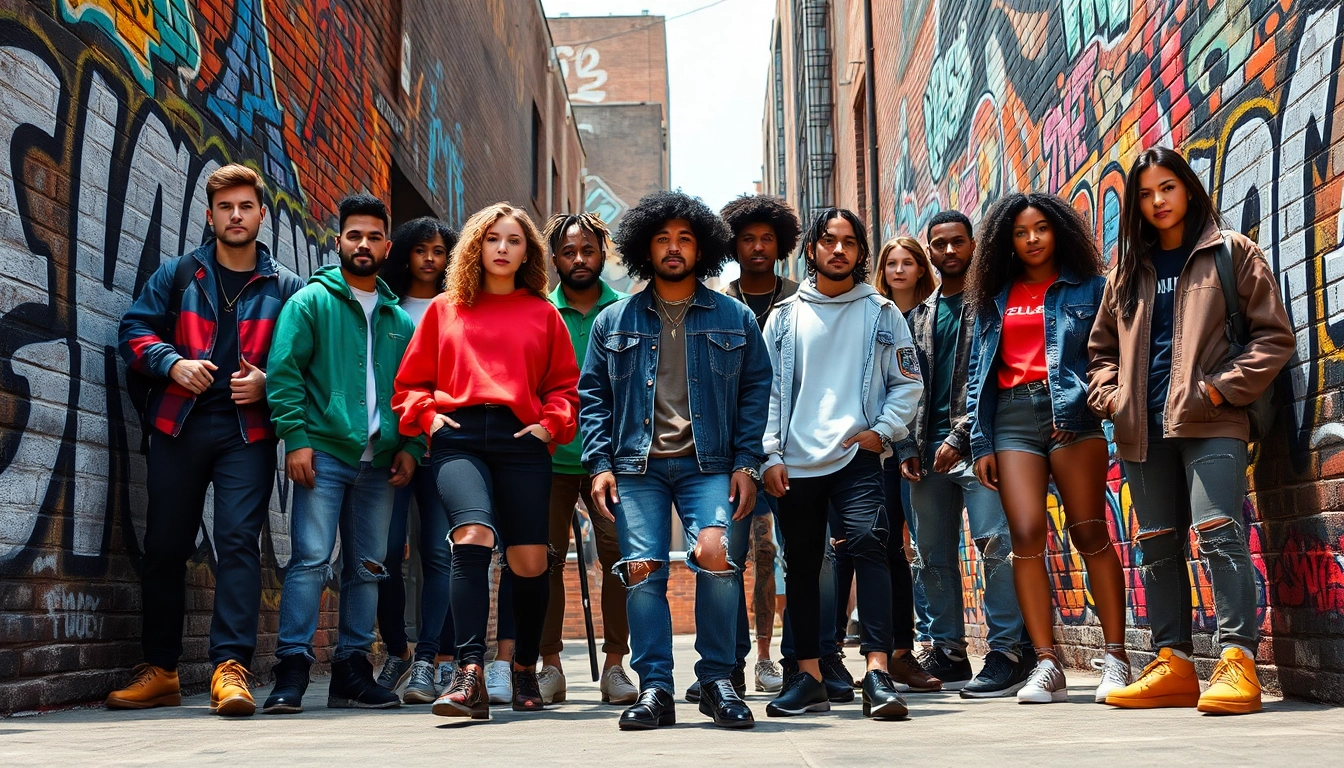
Understanding Streetwear: The Culture Behind the Brands
Streetwear is more than just a fashion trend; it embodies a vibrant culture that originated from the urban streets and subcultures of cities around the world. With its roots firmly planted in skateboarding, hip-hop, and youth rebellion, streetwear has evolved into a powerful statement of identity and individuality. As we delve deeper into the world of streetwear clothing brands, it’s essential to recognize the elements that have shaped this unique fashion movement and how it continues to influence contemporary style.
The Origins and Evolution of Streetwear
The origins of streetwear can be traced back to the late 1970s and early 1980s, particularly in neighborhoods of New York City, where brands like Stüssy began to emerge. What started as a collection of graphic T-shirts and casual wear quickly gained traction as urban youth began to adopt these styles as expressions of their culture. Over the decades, streetwear transformed, heavily influenced by music genres like hip-hop and punk rock, leading to a flourishing of subcultural styles.
In the 1990s, the streetwear phenomenon transcended borders, with brands like Supreme and A Bathing Ape setting a high standard for limited runs and collaborations. This exclusivity has become a hallmark of the streetwear market, where hype often drives demand and prices soar. Today, iconic brands coexist alongside new players, each interpreting the genre’s ethos in their unique way.
Cultural Influences on Streetwear Clothing Brands
Streetwear is deeply intertwined with various cultural influences, including art, music, and social movements. The rise of hip-hop culture in the 1980s and 1990s played a crucial role, with artists like Run-D.M.C. and A Tribe Called Quest wearing brands that would later be pivotal to the streetwear scene. As this music genre gained global prominence, it carried with it an appreciation for urban style that blended comfort with identity.
Additionally, street art and graffiti have significantly impacted the aesthetic of streetwear brands. Collaborations with artists provide an opportunity for brands to infuse their clothing with a sense of community and artistic expression, reflecting the rebellious spirit that streetwear embodies.
Key Characteristics of Modern Streetwear Styles
Modern streetwear is defined by a few key characteristics that set it apart from traditional fashion. Graphic tees, oversized silhouettes, and bold color choices are staples that evoke a sense of youthfulness and energy. Furthermore, the genre often incorporates high-quality materials like cotton blends and technical fabrics, reflecting both comfort and style.
Another significant trend within streetwear is the embrace of gender fluidity. Many brands are increasingly offering unisex options, promoting inclusivity and challenging traditional gender norms. This shift is not only a reflection of social changes but also serves to expand the consumer base of streetwear, appealing to a broader audience.
Leading Streetwear Clothing Brands to Watch in 2026
Iconic Brands: A Look at the Classics
Several brands have firmly established themselves as icons in the streetwear landscape. Supreme, often regarded as the epitome of the streetwear movement, continues to innovate with its bold designs and strategic collaborations. From limited-edition drops to artistic collaborations, Supreme remains a beacon for streetwear enthusiasts.
Another classic brand, Stüssy, holds a significant place in streetwear history, having pioneered many of the styles still prevalent today. Its blend of surf culture and skate aesthetics resonates with fans who appreciate its authenticity and heritage.
Emerging Brands: The New Wave of Streetwear
While established players dominate the market, a wave of emerging brands is increasingly capturing the attention of fashion-forward consumers. Brands like Aime Leon Dore and Fear of God are pushing creative boundaries through innovative designs and culturally relevant narratives. These newcomers often draw inspiration from personal experiences, creating a connection with consumers seeking authenticity.
Moreover, brands like Cactus Jack, founded by rapper Travis Scott, have leveraged celebrity influence to create a unique niche within the market that captures the synergy of music and fashion.
How to Identify Quality Streetwear Clothing Brands
Identifying quality streetwear brands involves looking beyond the surface aesthetics. Consider the following factors:
- Material Quality: Look for brands that prioritize high-quality fabrics and construction.
- Brand Reputation: Research customer reviews and brand history to gauge reliability.
- Design Aesthetic: Quality brands maintain a distinct style that resonates with their core audience.
- Sustainability Practices: Increasingly, consumers are favoring brands that practice ethical and environmentally sustainable production.
Streetwear Fashion Trends for 2026
Color Palettes: What’s In and Out This Year
As we enter 2026, certain color palettes are emerging as dominant trends in streetwear. Soft pastels and earthy tones are making a comeback, juxtaposed with bold primary colors that command attention. Brands are encouraged to experiment with layering these colors to create unique looks that stand out.
On the other hand, neon colors—a staple of the early 2000s—are less prevalent, signaling a shift towards a more refined aesthetic that leans toward sophistication.
Material Innovations in Streetwear
Innovation is at the forefront of streetwear materials. New technical fabrics that enhance comfort while retaining style are becoming popular. Brands are increasingly integrating recycled materials into their collections, catering to eco-conscious consumers while maintaining the integrity of design.
Moreover, the introduction of smart textiles that adapt to temperature and moisture levels is paving the way for functional streetwear that appeals to urban dwellers.
Gender Fluidity and Inclusivity in Streetwear Brands
The future of streetwear is undeniably more inclusive, with an increasing number of brands pushing for gender-neutral designs. This approach not only caters to a broader range of consumers but also reflects a cultural shift towards acceptance and diversity in fashion. Brands that embrace this ethos are likely to resonate with younger audiences who value representation in their style choices.
Where to Shop for Authentic Streetwear Clothing
Best Online Retailers for Streetwear
The rise of e-commerce has made shopping for streetwear more accessible than ever. Online retailers such as Karmaloop and Culture Kings offer extensive collections of both established and emerging streetwear brands. Additionally, marketplaces like Grailed provide a platform for reselling rare and coveted items, allowing consumers to find exclusive pieces.
Local Boutiques vs. Big Box Stores: Pros and Cons
Shopping for streetwear can be a unique experience, especially when deciding between local boutiques and large retailers. Local boutiques often curate collections that reflect the local culture and emerging designers, providing a more personal and unique shopping experience. However, big box stores offer a wide selection at competitive prices, making them a convenient option for many consumers. Consider your priorities and preferences when choosing where to shop.
Strategies for Finding Exclusive Streetwear Drops
Securing exclusive or limited-edition streetwear can be a challenge due to high demand. Here are some strategies:
- Follow Brands on Social Media: Stay updated on drops and collaborations by following brands and influencers.
- Join Online Communities: Engage with fellow enthusiasts on platforms like Reddit to share tips and alerts about upcoming releases.
- Sign Up for Newsletters: Many brands announce drops via email, so be sure to subscribe to stay informed.
The Future of Streetwear: Predictions for 2027 and Beyond
Technological Advancements in Streetwear Retail
As technology continues to influence retail environments, streetwear brands are expected to adopt advanced shopping experiences. Augmented reality (AR) features, for instance, could allow customers to visualize how pieces fit into their wardrobe before making a purchase. Additionally, the integration of AI in inventory management could lead to more efficient stock practices, ensuring that popular sizes and styles are readily available.
Environmental Impact: Sustainable Practices by Brands
Sustainability is projected to become a focal point for streetwear brands in the coming years. With consumers increasingly prioritizing eco-friendly choices, brands that adopt sustainable practices—from sourcing materials to manufacturing processes—will likely see a positive response in their sales. Expect more brands to implement transparent supply chains and eco-conscious initiatives as part of their identity.
The Role of Social Media in Shaping Streetwear Trends
Social media has changed the way streetwear brands market their products and connect with consumers. Platforms like Instagram and TikTok are pivotal in shaping trends and launching styles into the mainstream. Going forward, brands will likely harness the power of influencer partnerships and viral campaigns to create buzz around new launches and foster community engagement.